July 24, 1976
In the corridors beneath Ajax’s De Meer Stadium, the players of Ajax and Surinamese side Robin Hood prepare for a friendly match. For Ajax, it is the first real test of pre-season ahead of the 1976/1977 campaign. Newly appointed Ajax coach Tomislav Ivić paces nervously through the hallways and the square leading to the pitch. New signing Dick Schoenaker feels the same. Both the coach and midfielder are about to experience their first match as Ajax representatives. An unofficial debut awaits.
From their dressing room, the Robin Hood players – all amateurs – also make their way calmly towards the field. Here too, the sharp sound of studs clicking against the stone floor echoes through the building. The first champions of the newly independent Suriname, which gained independence in November 1975, are embarking on a tour of Dutch football grounds. After Ajax, the club from Paramaribo will also face Feyenoord, NEC, FC Den Haag, Haarlem and Elinkwijk from Utrecht.
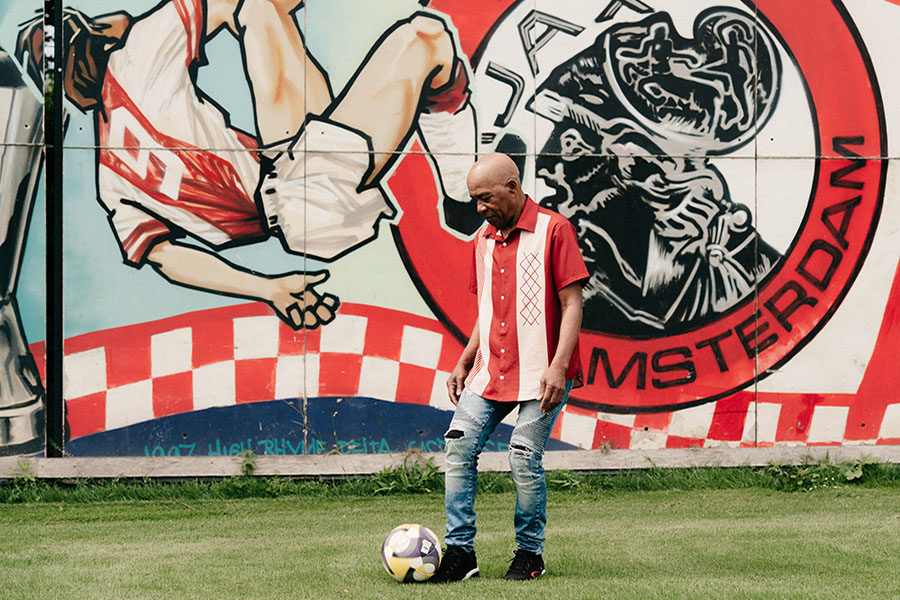
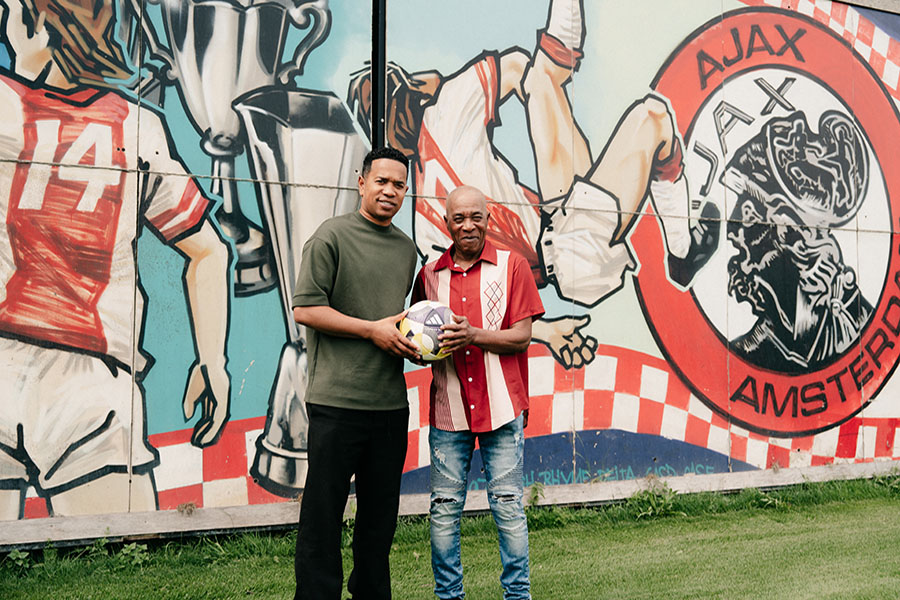
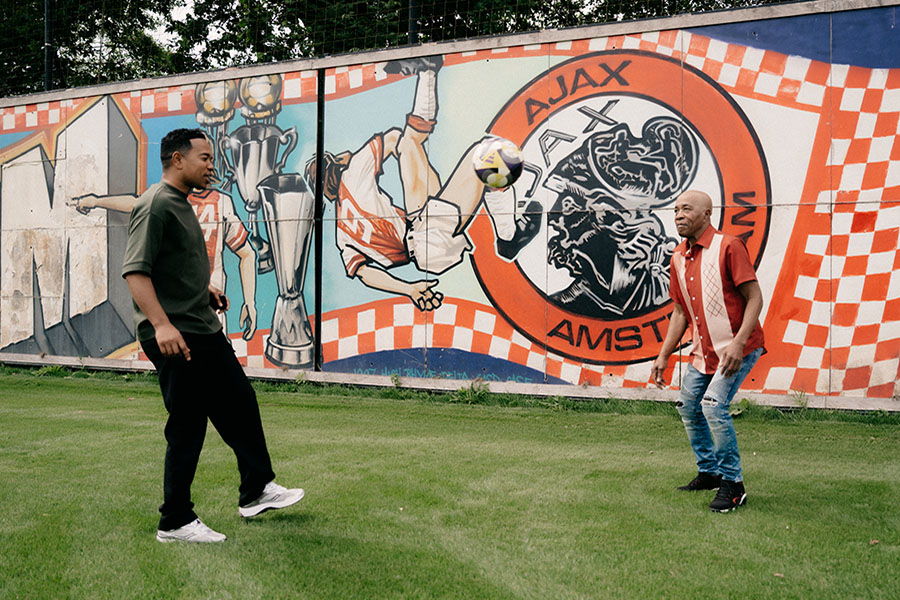
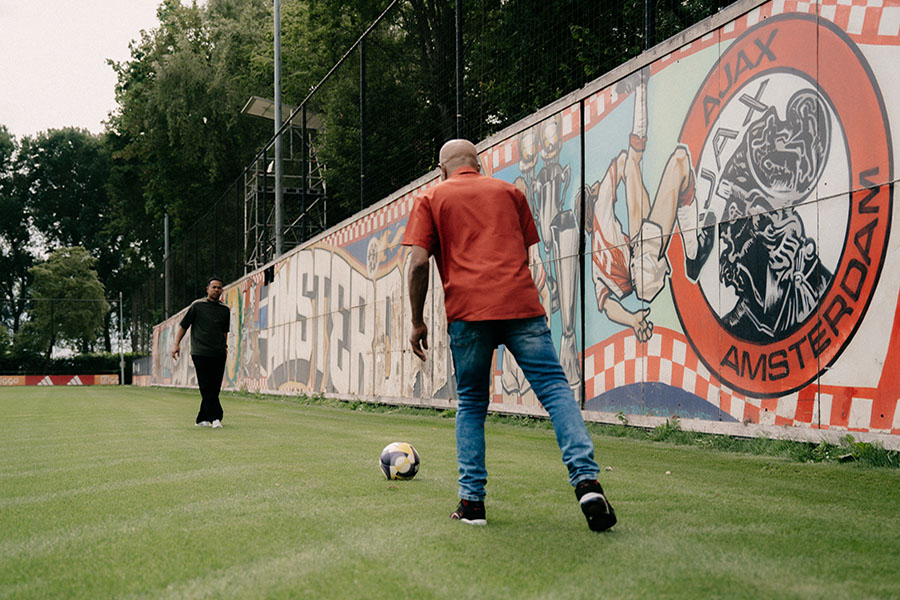
Wearing the number eleven shirt, Errol Emanuelson is ready for battle. The 23-year-old Surinamese winger looks around confidently. As always, he is eager to play. The fact that his direct opponent is the hard-tackling Wim Suurbier, the right-back of Ajax’s Golden Generation, does not concern him in the slightest. Nor do experienced Ajax stars such as Ruud Krol, Ruud Geels, the elegant Frank Arnesen or imposing goalkeeper Piet Schrijvers inspire much fear. Emanuelson rarely worries. Certainly not when a good football match awaits.
Always trust your own qualities. That is the winger’s motto. No coach, let alone an opponent, is going to change that. With his natural confidence and flair, Emanuelson appears completely unfazed…
June 10, 2026
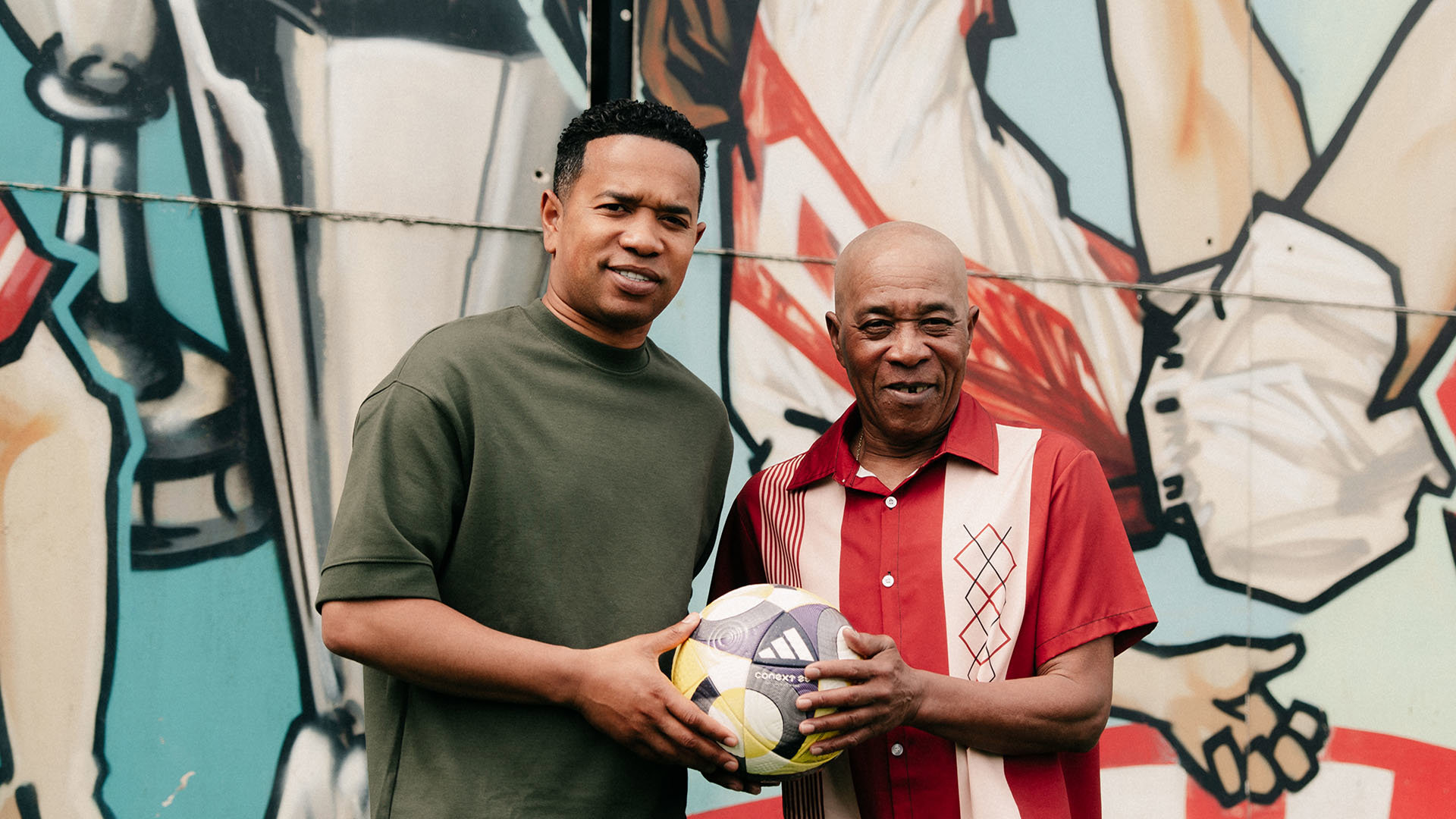
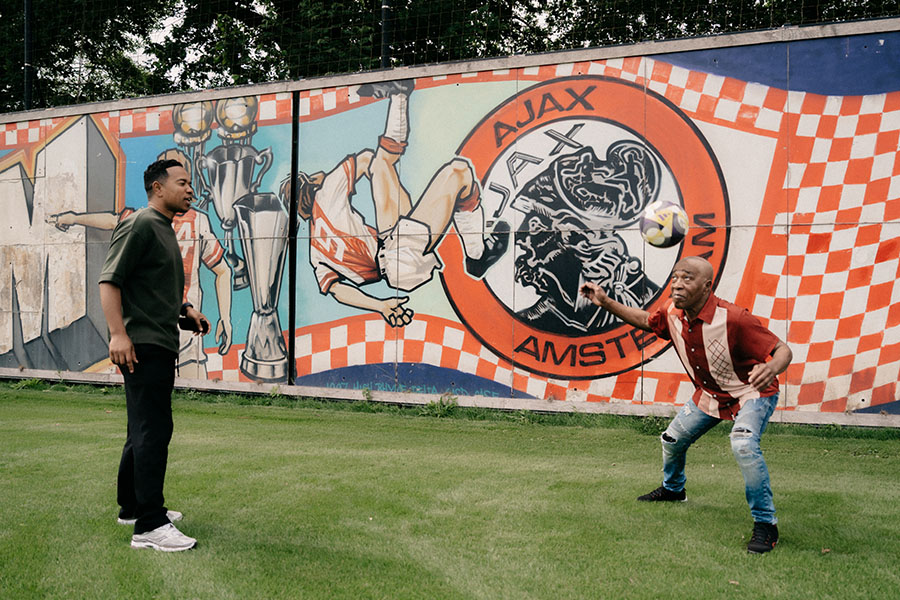
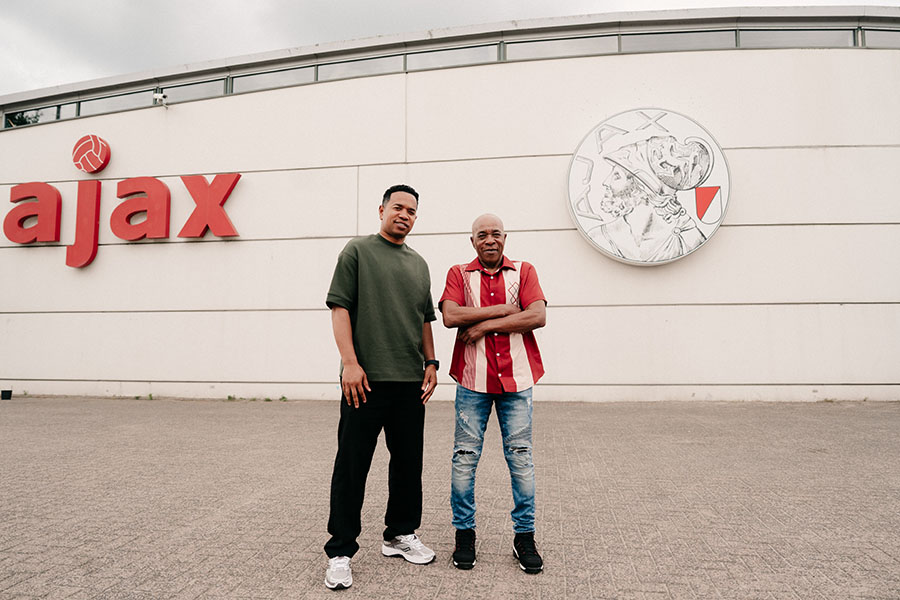
Errol and Urby Emanuelson share a bench at De Toekomst. Much to the surprise of the Jong Ajax assistant coach, his father has come to Ajax’s training complex. Or rather: he has been lured there. More on that later. His youngest son will celebrate his fortieth birthday a week later. The former Ajax player, who made 255 appearances for the club, had wrapped up the season a few weeks earlier as assistant coach of Jong Ajax. Urby is in holiday mode. Together, father and son look back on the historic friendly from almost half a century ago…
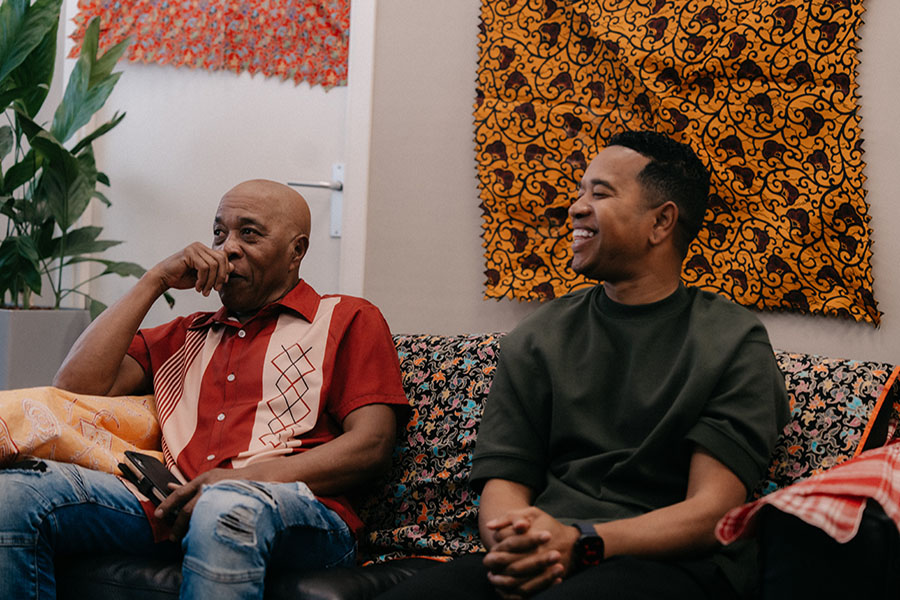
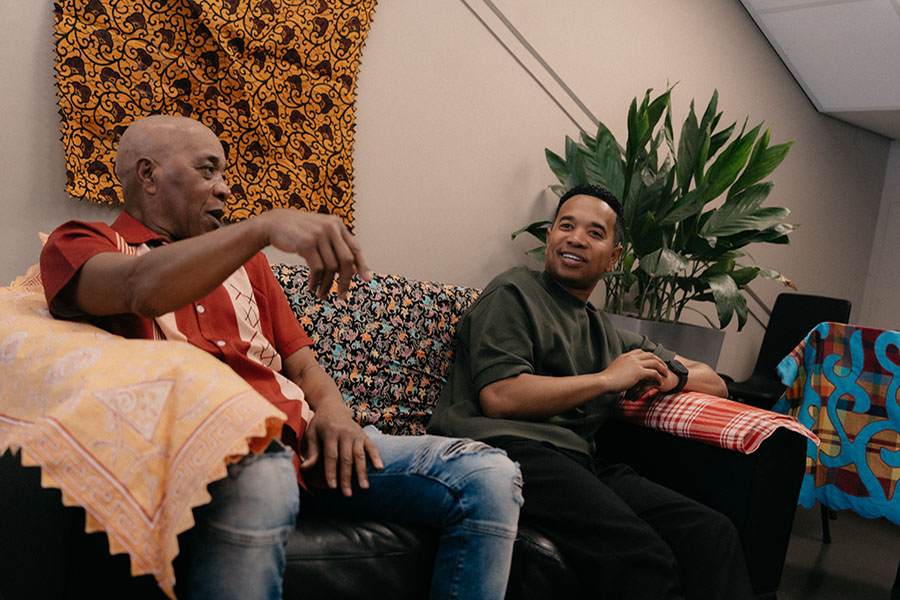
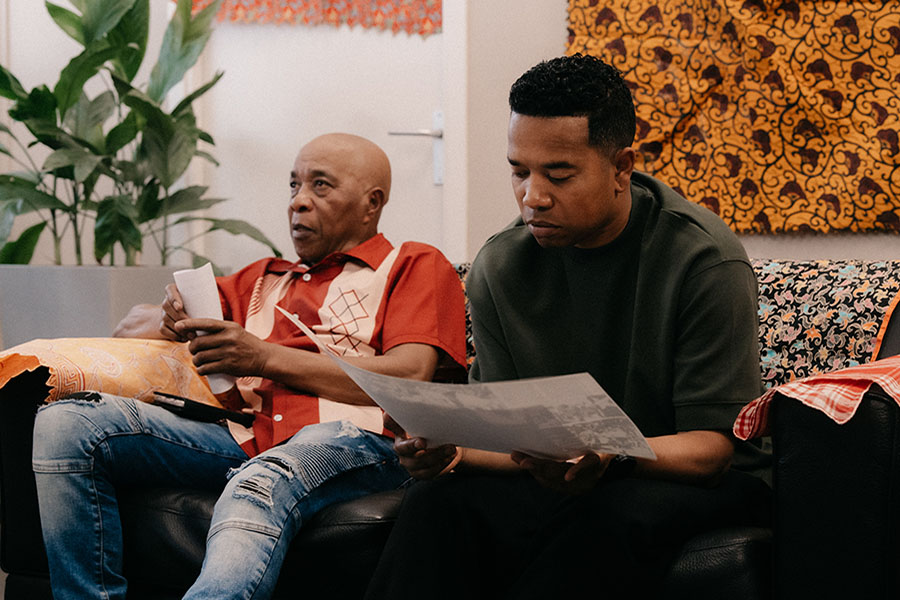
From an early age, Errol impressed upon his three children the importance of hard work. Especially on the football pitch. ''I always told my two boys they had to work harder than anyone else. Otherwise, you will never make it,'' says Errol Emanuelson, who himself remained active as a veteran footballer until the age of 68.
''You have to invest in football yourself. Do everything you can to perform consistently. As a child, I was always playing football. Back in Suriname, I had a ball at my feet every day. There was a small grass pitch behind the house where I grew up. Teams from the Surinamese Football Association trained there. Sometimes I would sneak away with a ball. I could spend an entire day playing with it.'' Smiling, he adds, ''That was my mischievous streak. The only time I had to hide was when my father came by.''
Urby listens to the anecdote with a smile. He mainly remembers his father as a committed and supportive football parent. And as a strong-minded pater familias. ''He often told my brother and me not to listen too much to the coach,'' says the youngest Emanuelson. ''On the pitch, we had to be creative ourselves and come up with solutions. 'On the pitch, you are the boss,' he used to say. Really, all the time. Before almost every training session and every match.''
July 24, 1976
Time for television footage from a bygone era. It is the main reason father and son have secretly been brought together. Urby once expressed a heartfelt wish to see his father in action. Moving images of the winger turned out to be extremely rare. Fortunately, a Dutch public broadcaster produced a report on Robin Hood’s visit to De Meer. More of a journalistic feature than a match report. The footage is special enough to share with father and son.
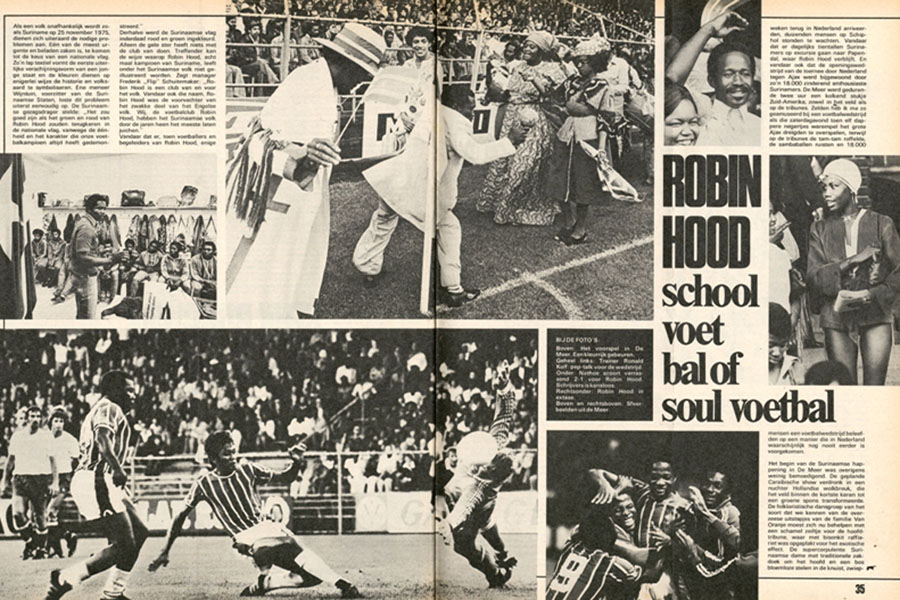
The Emanuelsons watch Robin Hood’s squad arrive at Schiphol Airport. The delegation is welcomed by Surinamese football supporters, some dressed in traditional Surinamese clothing. Things become even more interesting when the Surinamese champions step onto the De Meer pitch. Father and son watch intently. The more football appears in the footage, the better.
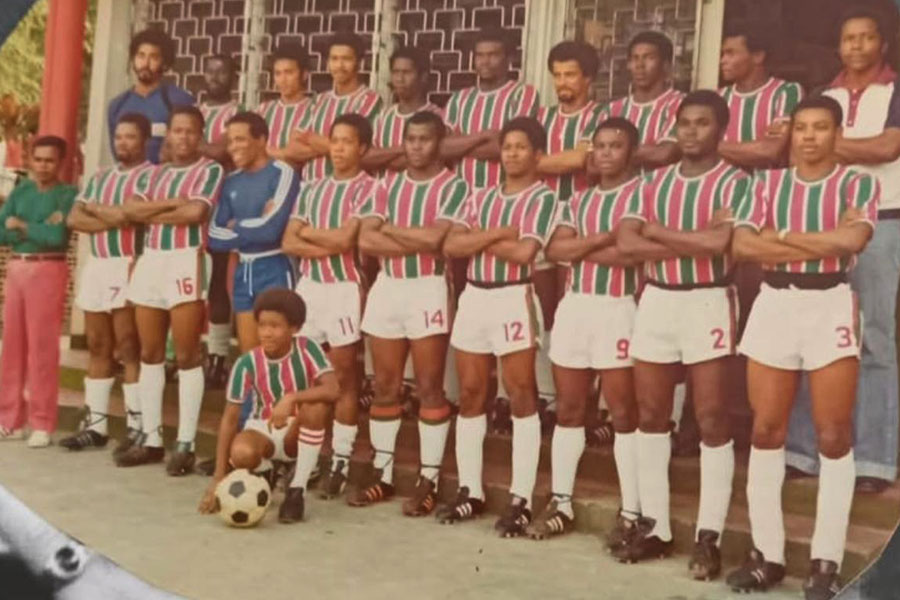
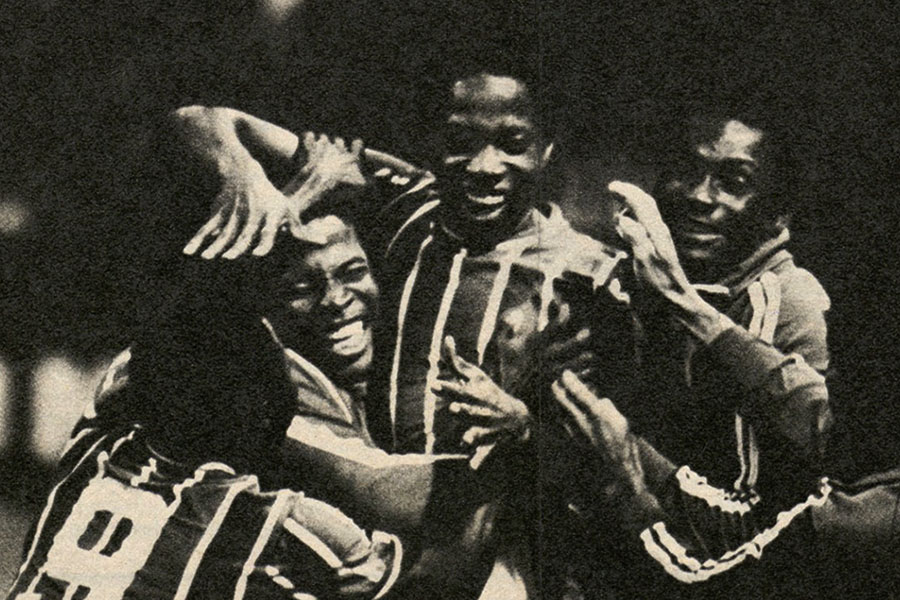
Photographs: Collection Errol Emanuelson
The players wear beautiful shirts in the colours of Suriname: green, red and white. Most of them are somewhat smaller than their Dutch opponents, but without exception, they are athletic figures. It is the powerful elegance that would later enrich Dutch football in a significant way. The visitors carry a huge flag. At its centre shines a large yellow star, a proud symbol of the independent Republic of Suriname.
What also stands out are the packed stands at De Meer. Even in Ajax’s old stadium, the amateur footballers are backed by enthusiastic Surinamese supporters living in the Netherlands, some of whom had left their homeland. Of the roughly eighteen thousand spectators, the majority have a Surinamese background. In that festive atmosphere, it almost feels as though Ajax are playing away from home. Apart from a few shots of celebrations, very little football action is shown. Unfortunately.
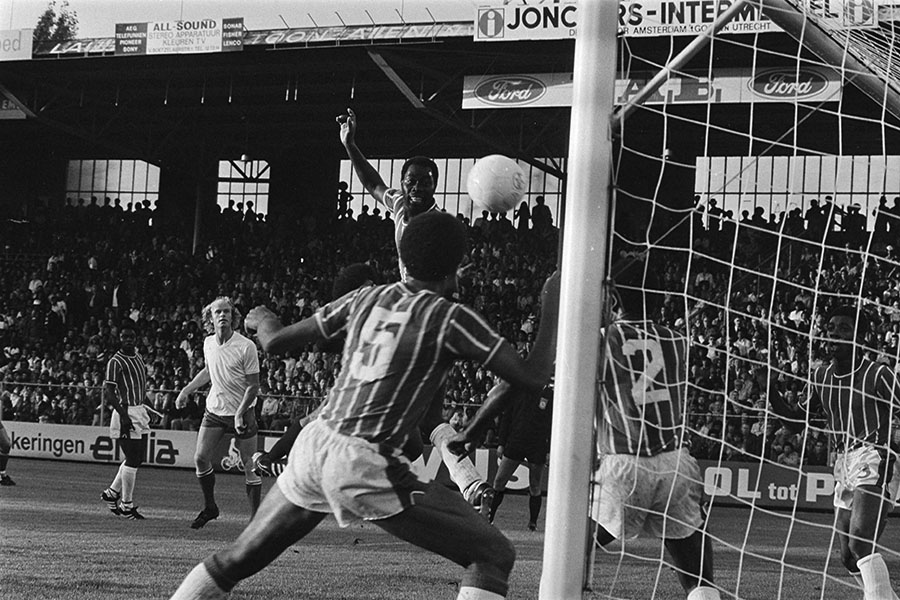
''It’s a shame that so little attention was paid to the match itself back then,'' Urby says as he continues to watch the footage with fascination. Seeing his father as he was half a century ago is already special enough. ''I’ve never seen footage of my father playing football. Moving images, at least. I’ve always had to rely on stories from people who saw him play. And on the photographs I have of him.''
Fortunately, there are plenty of photographs and newspaper clippings featuring Emanuelson and his Robin Hood teammates. Together, they paint a picture of a highly technical and lightning-fast attacker who could operate equally effectively on either wing.
''The stories I hear from older Surinamese people are mainly about the dribbler my father was,'' continues the Jong Ajax assistant coach. ''He was a pure dribbler, a real attacker. Someone blessed with pace. In that respect, I was more of an all-round player. More of a midfielder.''
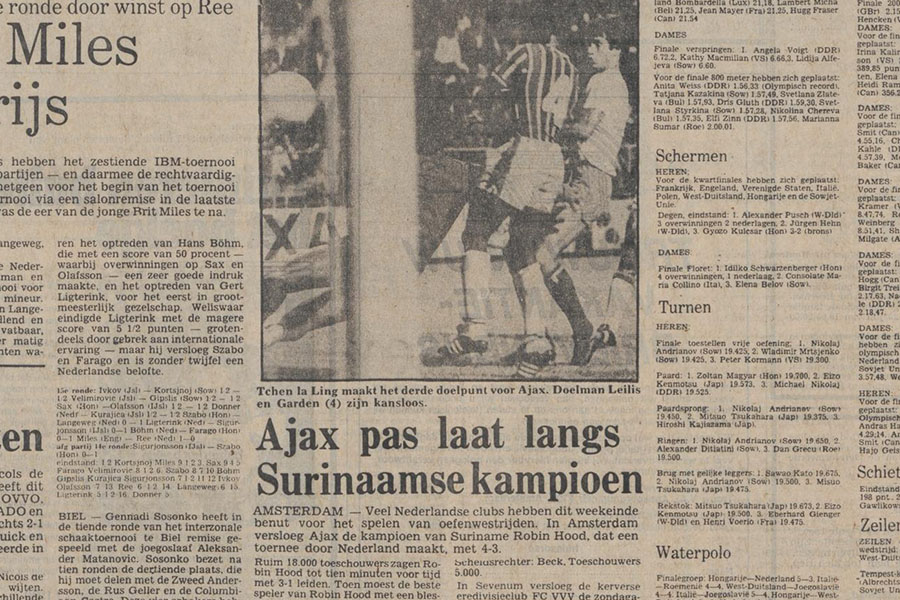
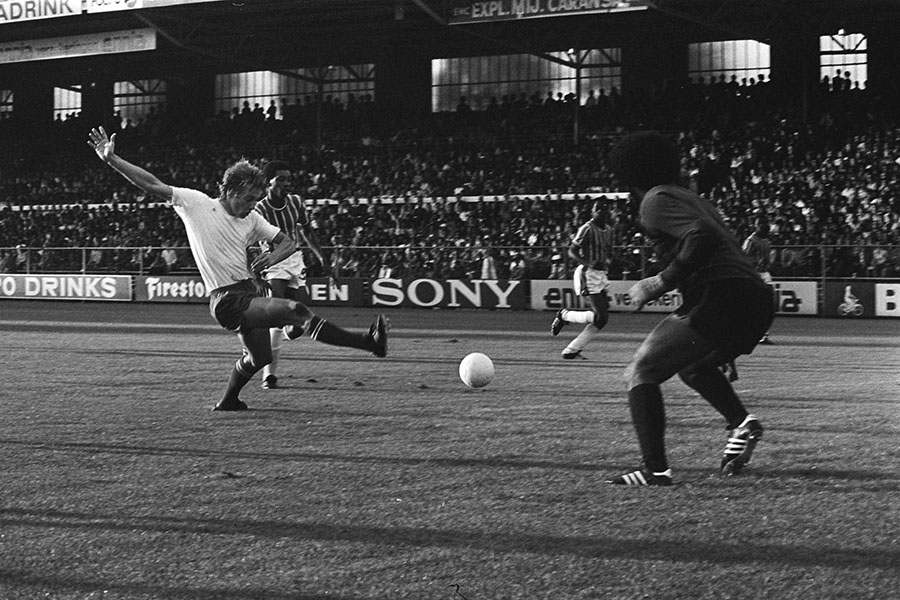
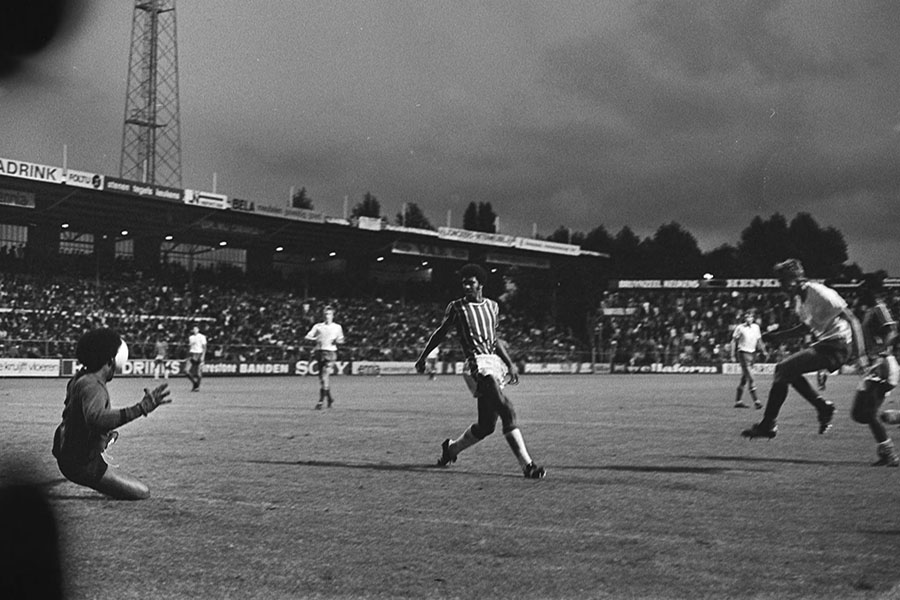
That Emanuelson impressed against Ajax in the summer of 1976 is documented in black and white. Following a dazzling display at De Meer, Voetbal International paid him a remarkable compliment. 'Errol Emanuelson is more of a snake charmer than Rob Rensenbrink,' the football magazine wrote in its match report about the man who also found the net against Ajax. Emanuelson nutmegged the iconic Suurbier so many times that retaliation became inevitable.
After yet another successful feint, Suurbier had seen enough. The right-back brutally brought down his tormentor. It marked the end of the match for Emanuelson, even though he could have continued. ''Our coach, Ro Kolf, took me off as a precaution,'' recalls the Surinamese Rensenbrink. ''He still needed me for the other matches on the tour.''
July 10, 2026
The Rubber Man. The Rumba Man. They are two of the nicknames Errol Emanuelson earned during his playing days. They perfectly match the stories older Surinamese supporters tell about him and the descriptions found in historical sources. A player blessed with extraordinary flexibility and elegance. In Suriname, Emanuelson remains a football hero.
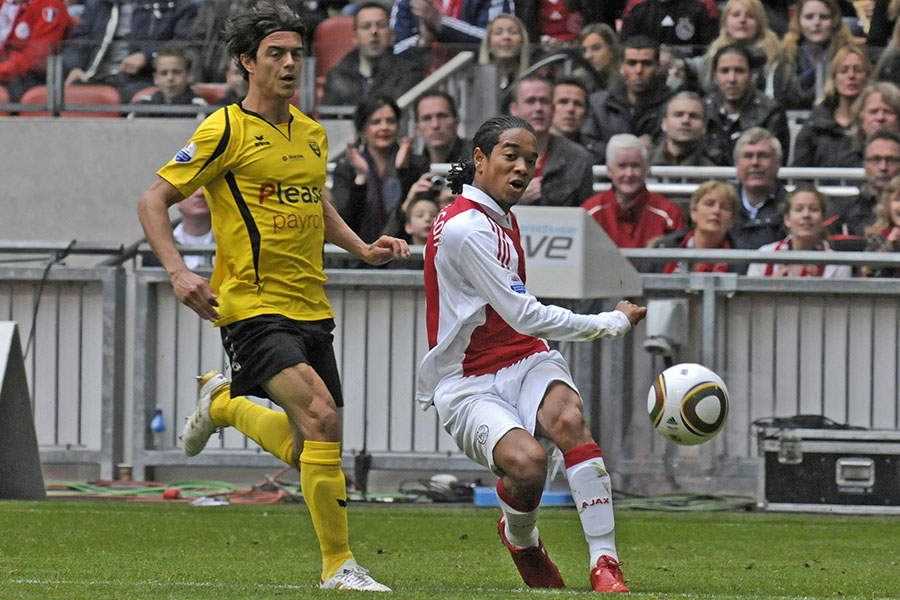
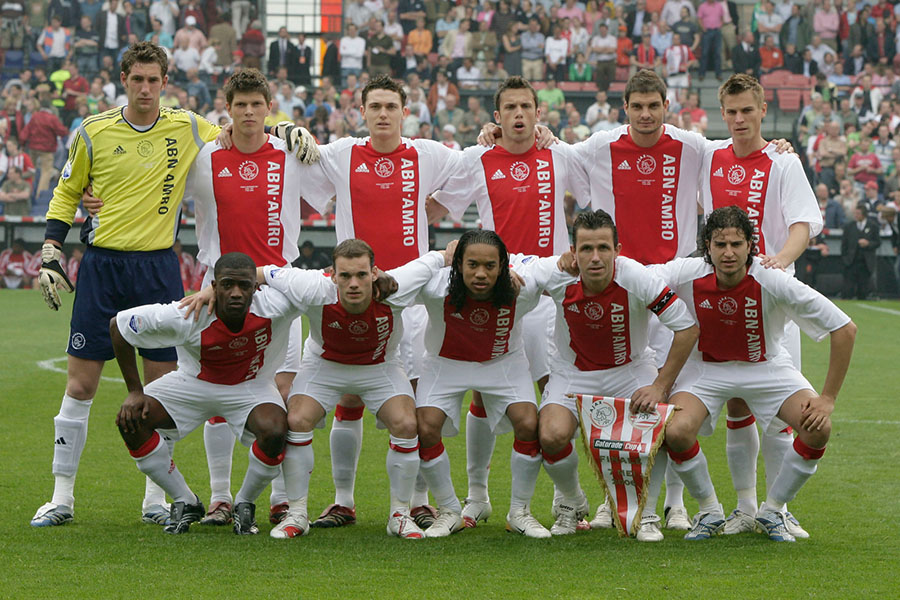
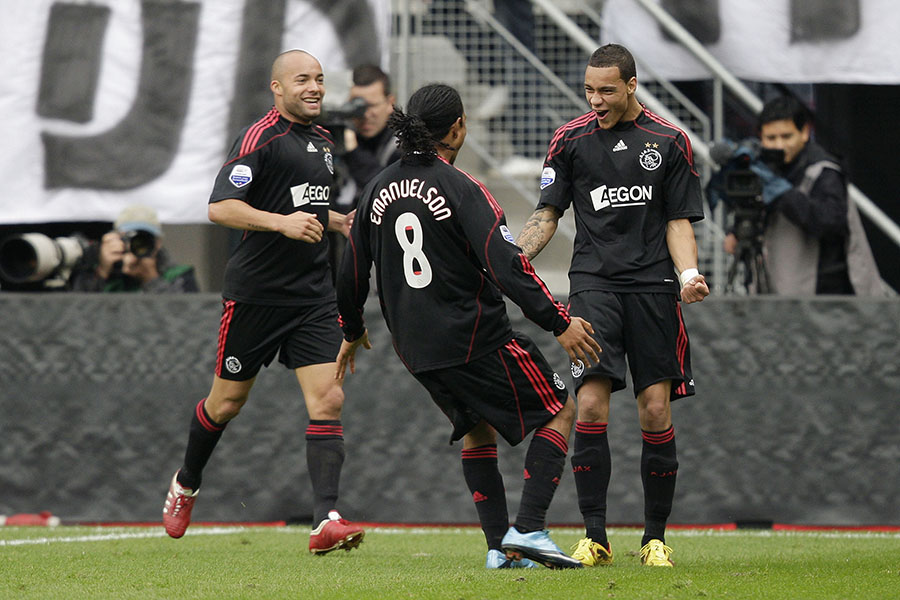
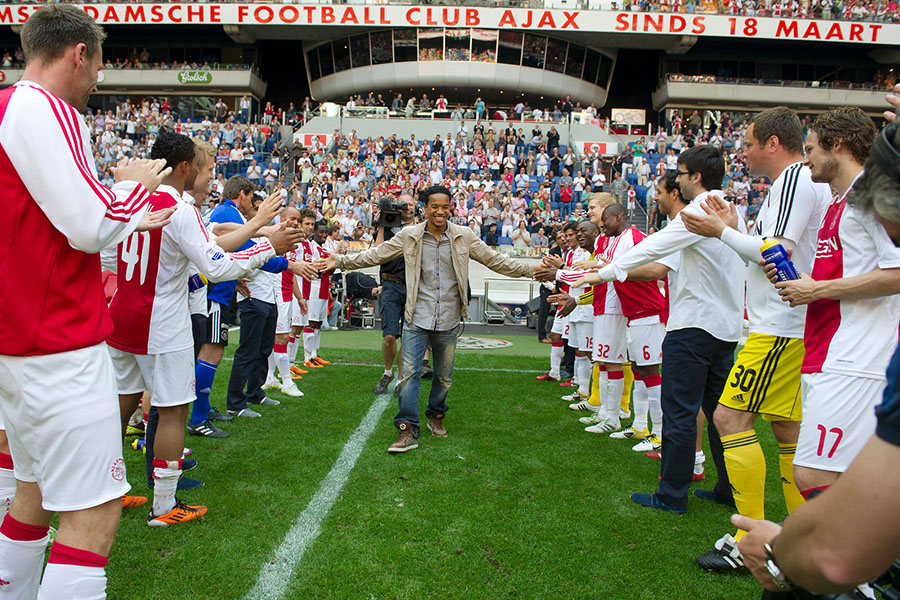
''He’ll always keep that flair,'' says the coach, nodding towards his father. ''I’ve known those nicknames for years. The Rubber Man was once the headline of an interview in Ajax Magazine. The funny thing is that Demy de Zeeuw and Klaas Jan Huntelaar saw it and started calling me that as well. Whenever I see them, I still hear it. It’s quite a unique nickname. It sticks with people.'' The original Rubber Man listens approvingly.
July 24, 1976
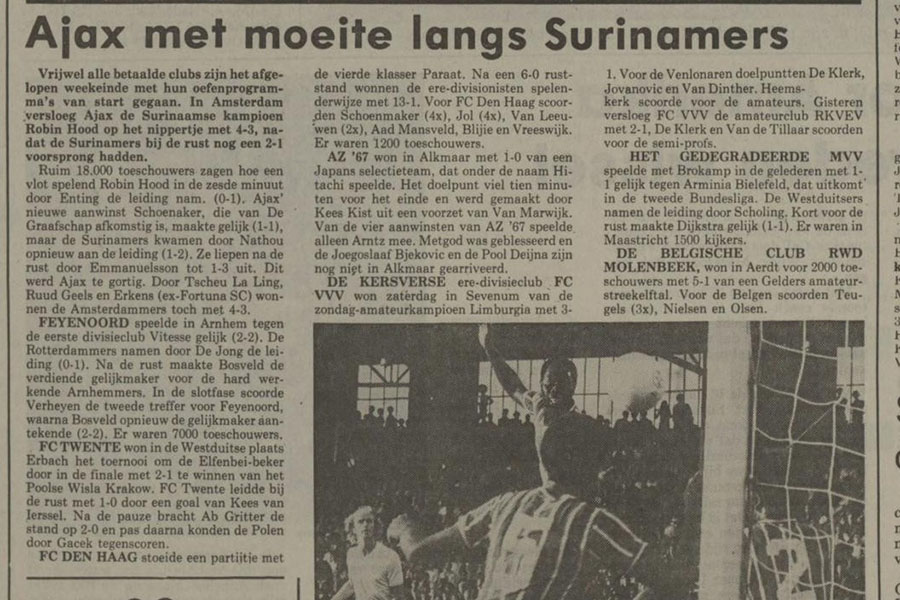
Although match footage is scarce, the story of the game has been preserved. And it was sensational. Thanks in part to a goal from Emanuelson, the ‘amateurs’ of Robin Hood boldly raced into a surprising 3-1 lead. Ajax then raised their level and introduced, among others, the classy Tscheu-la Ling from the bench.
''That was the difference between Ajax and our team,'' Errol Emanuelson reflects. ''Their substitutes were stronger. Ours were not as good. Our level dropped.'' Robin Hood could no longer sustain their flowing style of football, which some media outlets described as ‘Soul Football’.
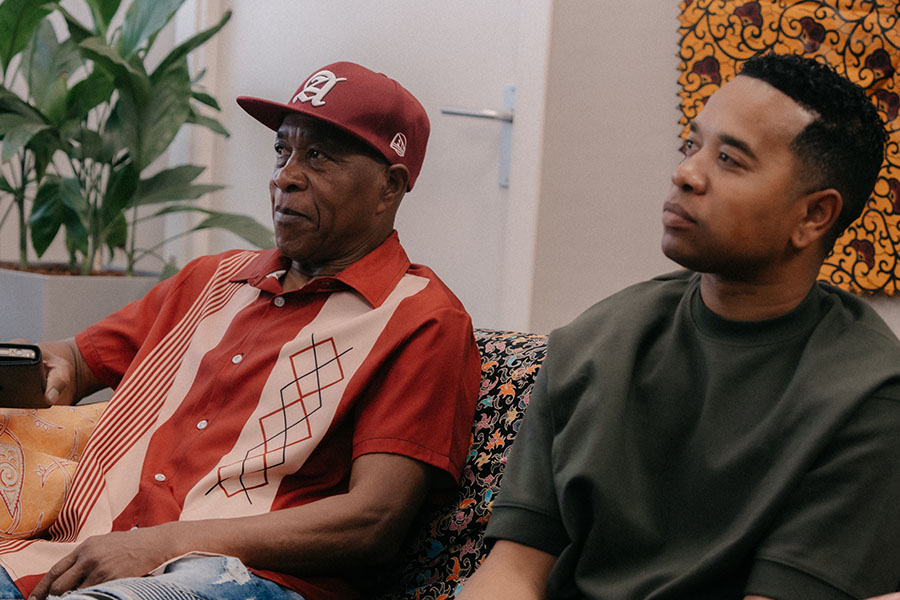
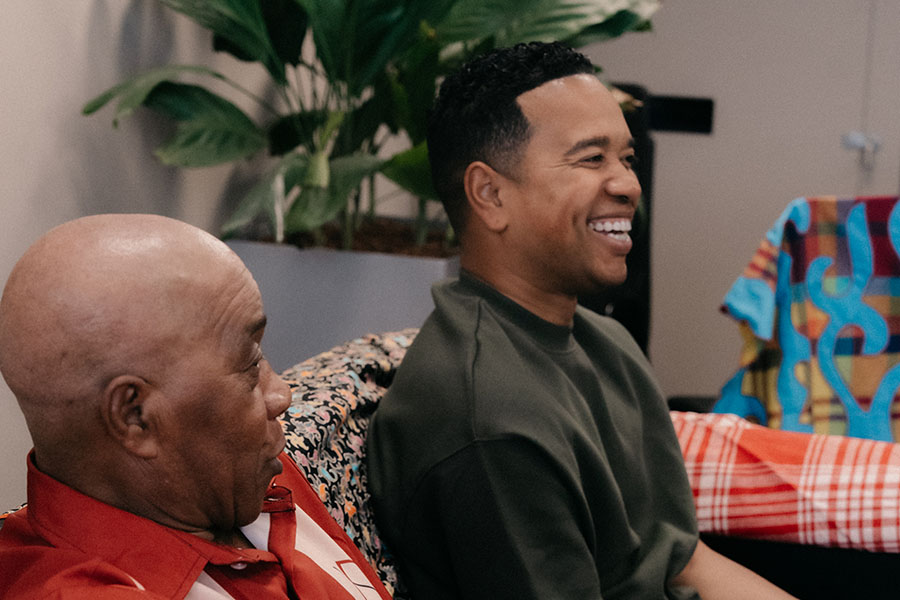
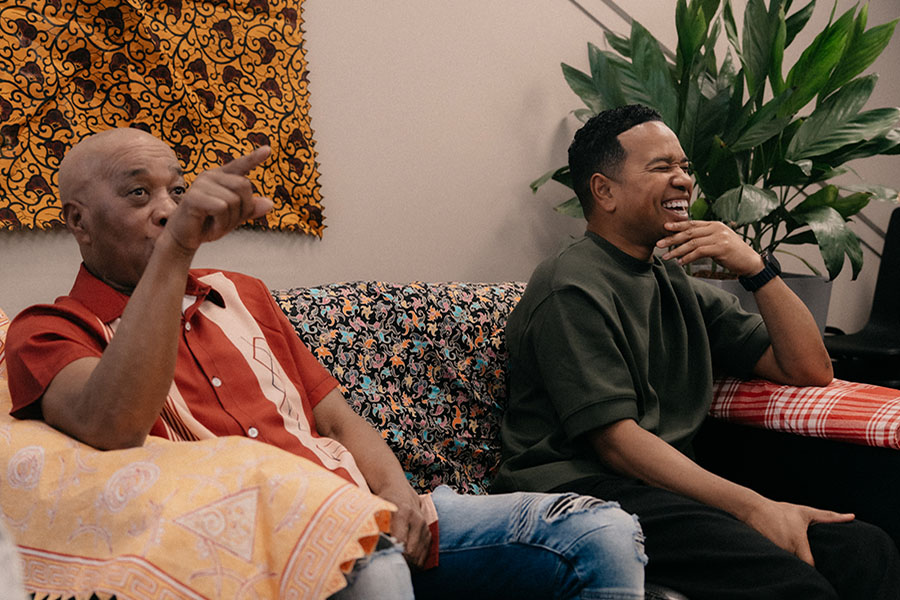
To the relief of debutants Ivić and Schoenaker, Ajax eventually dragged themselves past Robin Hood deep into stoppage time. Ruud Geels scored the winning goal to make it 4-3. Ajax narrowly escaped a false start to their preparations. Nearly fifty years later, Emanuelson senior is still disappointed. “We should have drawn that match.''
Robin Hood continued to impress in the friendlies that followed. True football lovers admired the technique and freedom of expression displayed by the South Americans. Some Surinamese players looked more than capable of enriching the Eredivisie.
Yet while his sons Julian and Urby would later succeed in establishing careers in Dutch football, their father did not. Errol Emanuelson was given the opportunity to impress during a trial, but Ajax did not offer him a contract. Trials elsewhere also proved unsuccessful.
''It wasn’t an easy time for Surinamese footballers,'' he says. Surinamese people in the Netherlands faced challenges both on and off the pitch during the 1970s and early 1980s.
Still, by the mid-1990s, Emanuelson senior could be found at Ajax almost every day. This time, as the father of two talented sons who had both earned places in Ajax’s academy. Every now and then, he is still recognised. Conversations with fellow Surinamese Amsterdammers often drift back to that remarkable performance in the summer of 1976. The dazzling dribbles and goals of The Rubber Man have not been forgotten.
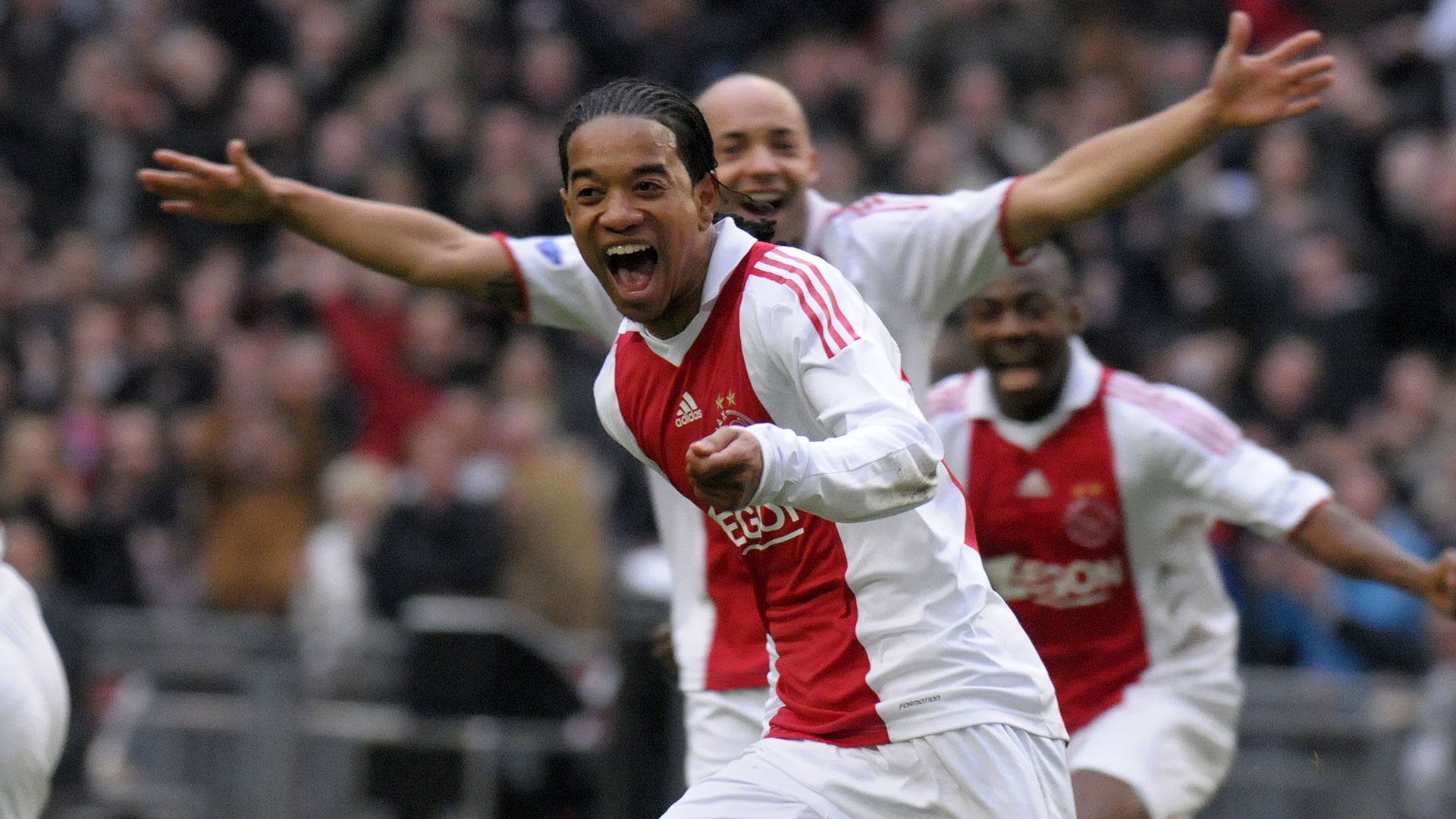
Errol is immensely proud of his daughter and his two sons, one of whom went on to become an Ajax icon. Urby is what many would call a true child of the club. He is also a prominent member of Ajax’s prestigious Club of 100. The youngest Emanuelson was able to show what his father had always wanted to show as well. He, too, dreamed of shining at De Meer, or on another Eredivisie pitch.
The pride remains undiminished. The bond between father and son remains unbreakable. There is no shortage of footage of Urby’s career. The search for moving images of the elder Emanuelson continues. ''It remains a dream to see my father in action.''