There is a ten-hour time difference between Amsterdam and Australia. The former winger has been living in Melbourne for years. "For 23 years now," he says when he picks up. "I'm doing very well here. I work six days a week with my own Coaching Academy, Future Football."
"When I stopped playing, it was nice for about three months to spend time with my family and the kids," he continues. "But soon I realised I needed to do something new." He started a sports management agency just outside Manchester. After eleven years, he moved to Australia. "I got in touch with the management of players I knew from Australia, fell in love with the country and not long after, I made the move. And I’m still here," he laughs. "It's fantastic here."
First encounter with Ajax
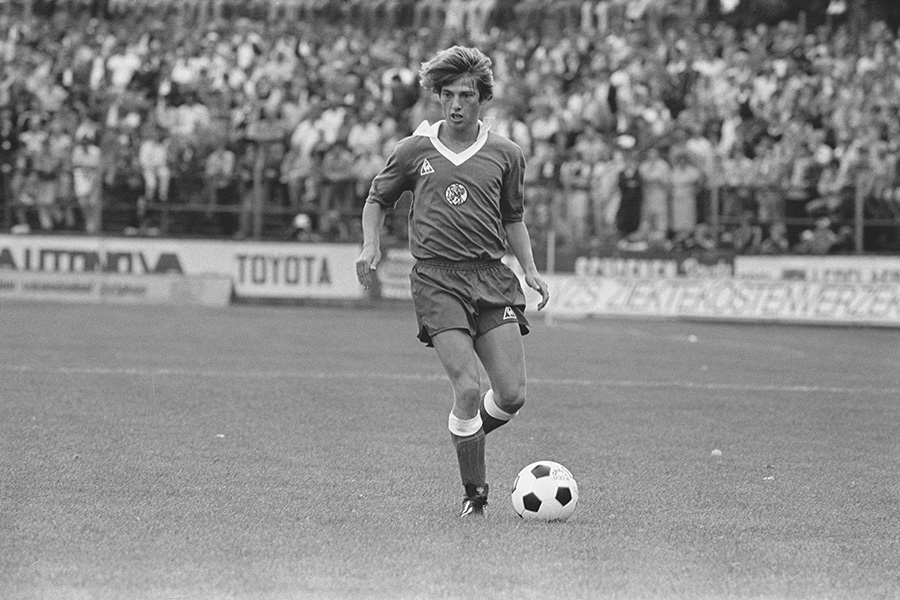
Ajax supporters first got to know Olsen in the summer of 1981. He was signed from Næstved BK, a club that currently plays in the second tier of Danish football. "At the time, there were already a few Danish players at Ajax, so every Monday I would check the Danish newspapers to see how they had done. That’s how I started following Ajax as a young boy. And of course I knew the club and its players from the successful 1970s."
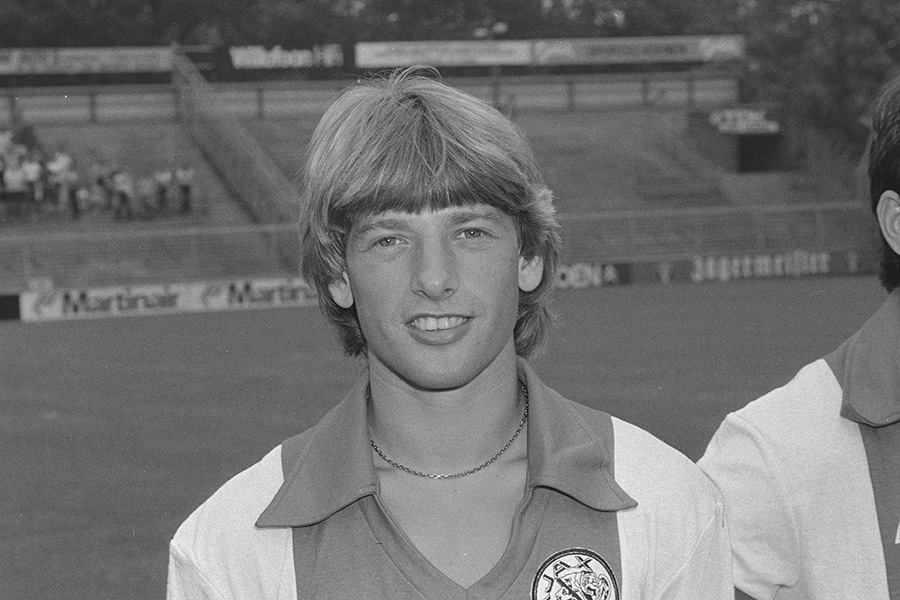
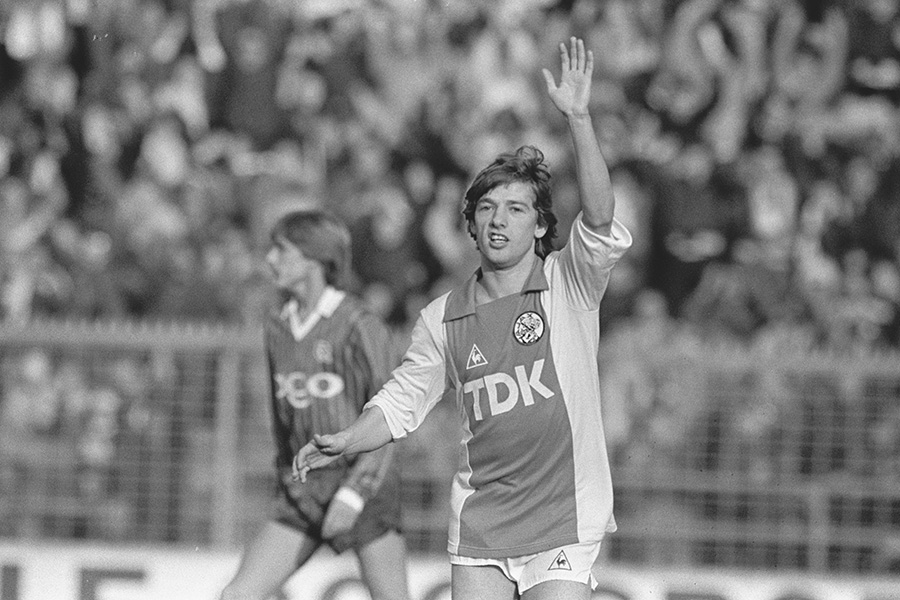
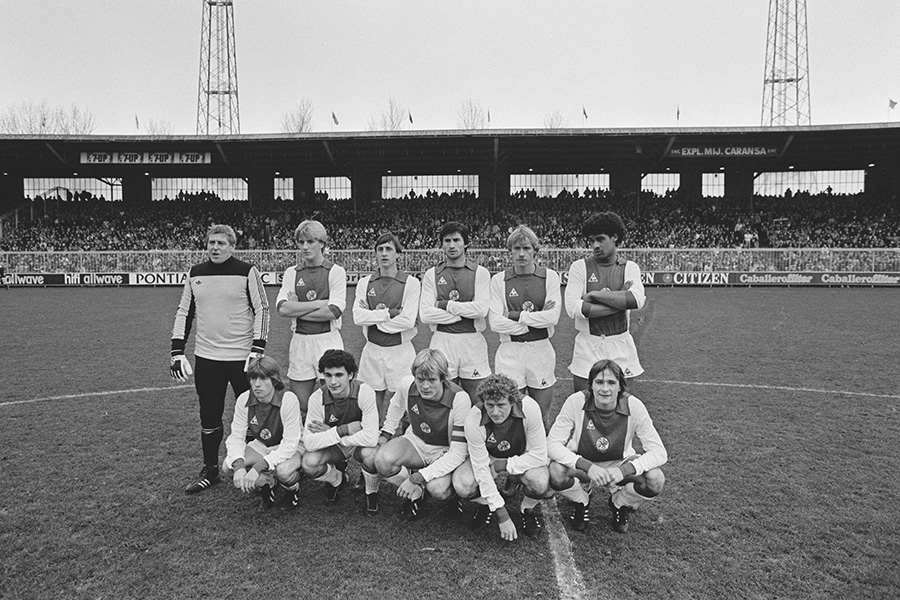
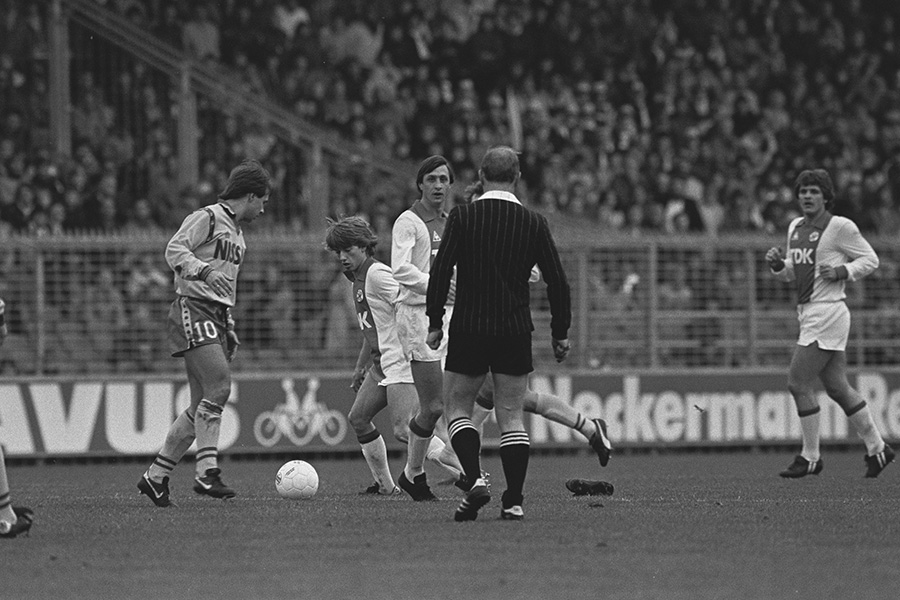
"There were several teams interested in me. When Ajax became concrete, the choice wasn't difficult because I was a semi-professional in Denmark. Moving abroad and starting somewhere new felt like a big decision. I was waiting for the right moment," he says about his move to Amsterdam.
A perfect match
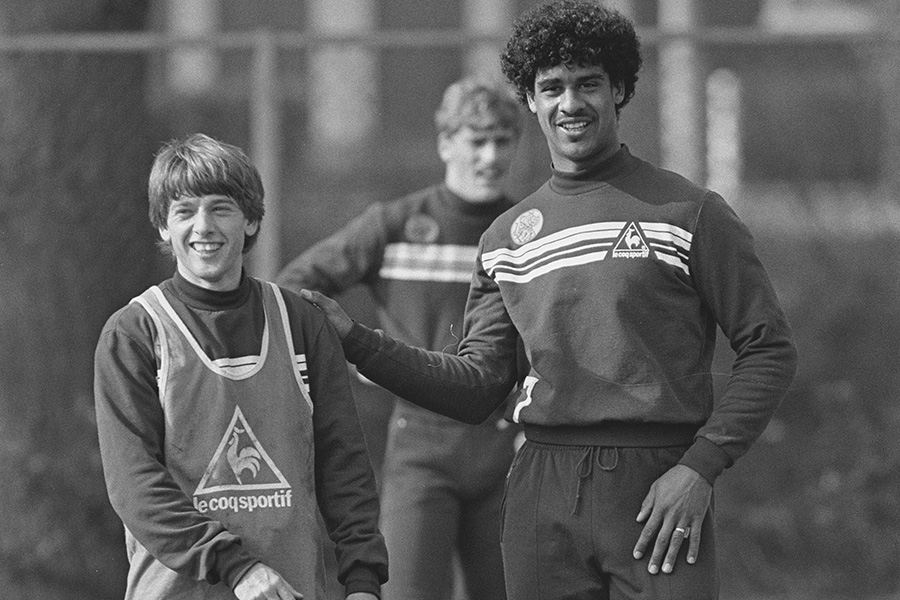
In the capital, he joined a talented squad featuring young players like John van 't Schip, Frank Rijkaard and Gerald Vanenburg. "The atmosphere was good, and I had a great feeling about the club. And something very important to me: when I went home, I felt good. In the first weeks, I didn't see much of Amsterdam because I was training a lot and getting to know the players. Later, I discovered the city was fantastic. I didn't have a driving licence before I came, and I got it in Amsterdam. That wasn’t easy," he laughs.
His teammates described him as a small guy who stood his ground. Olsen agrees. "I wasn't afraid of anyone, and I could always stand up for myself. I wanted to win, always. The level at Ajax was high, of course. But I came from a Danish team that played in the same way, at a lower level, but still attacking, attractive, combination football. The kind of football fans want to see. That’s what Ajax wanted and what I wanted too. It was a good match."
Fan favourite
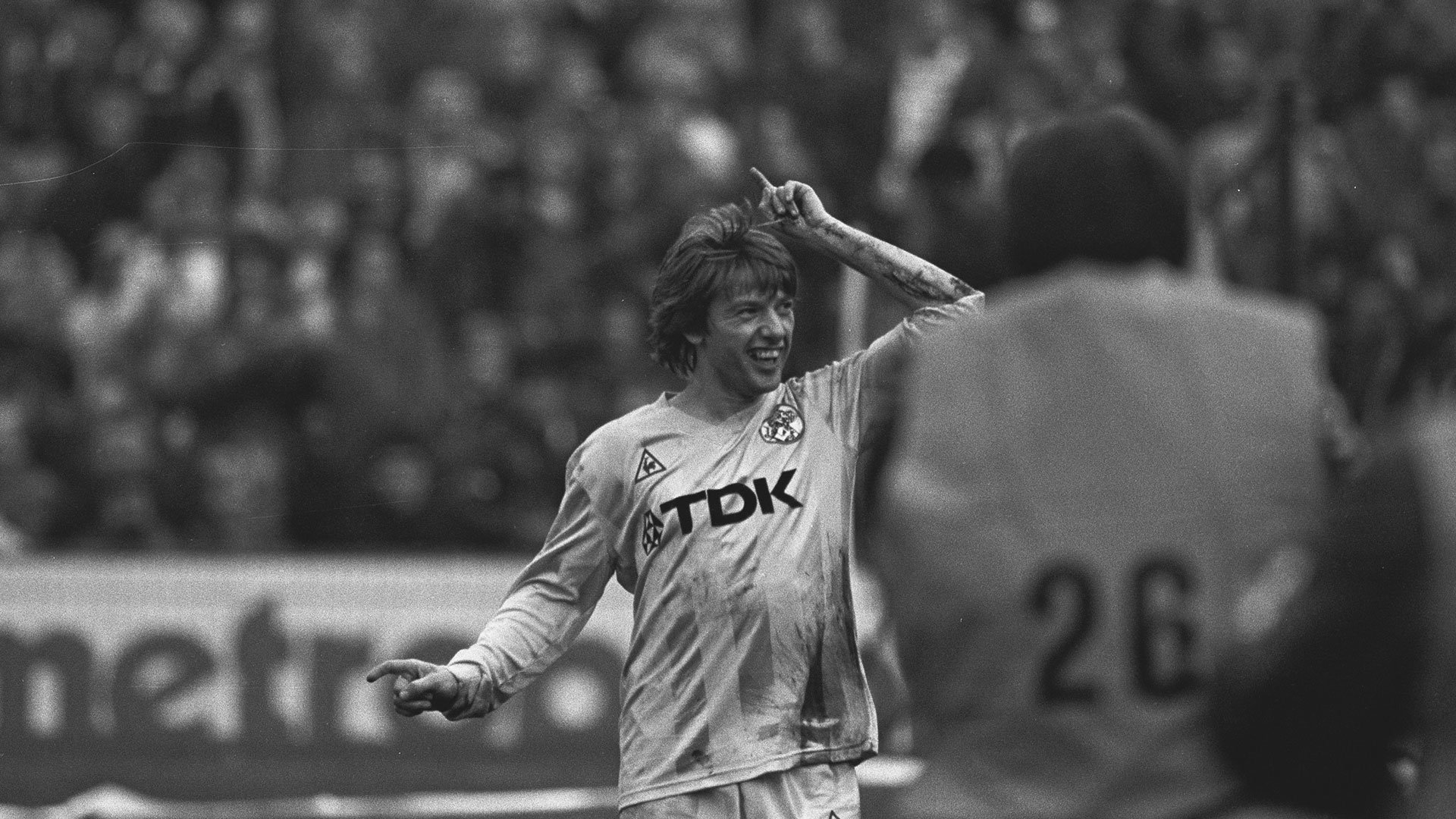
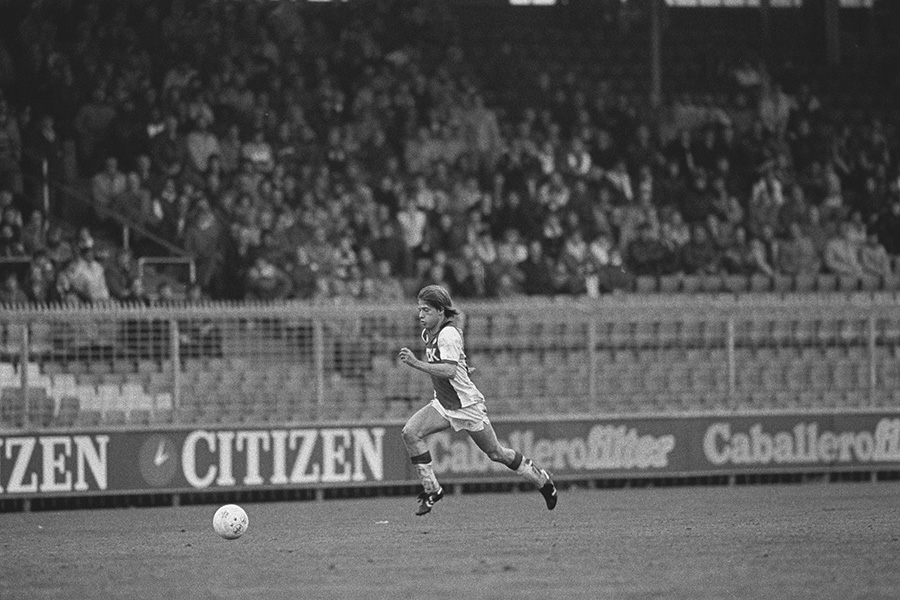
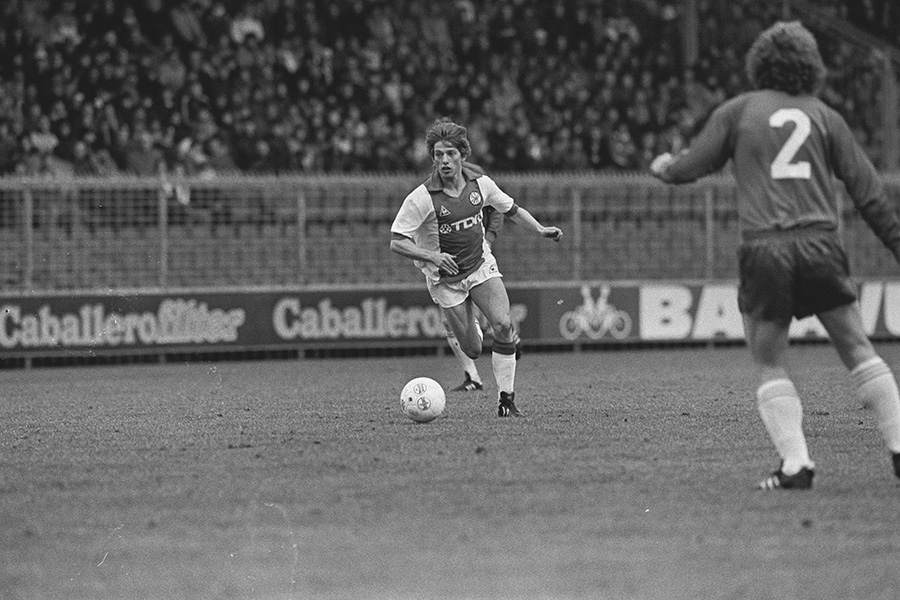
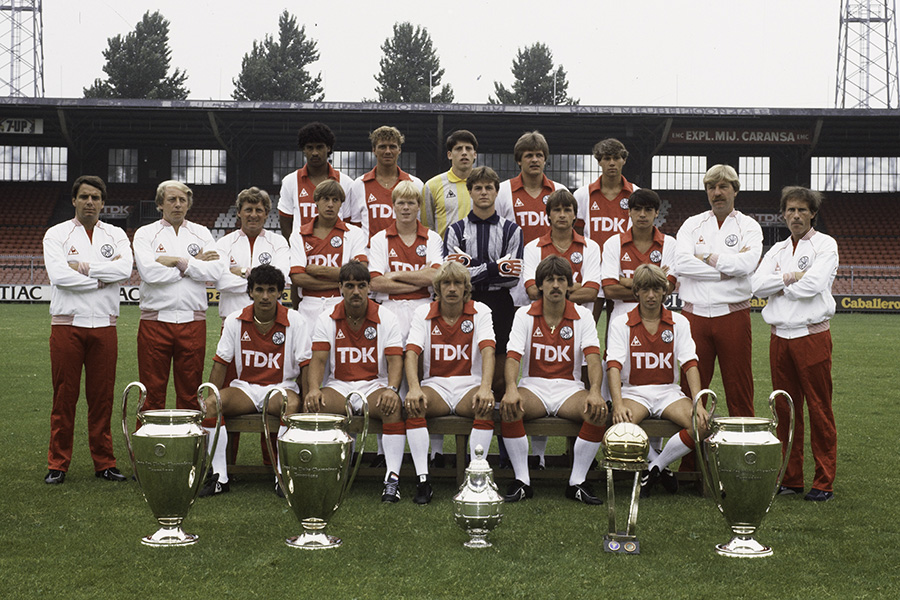
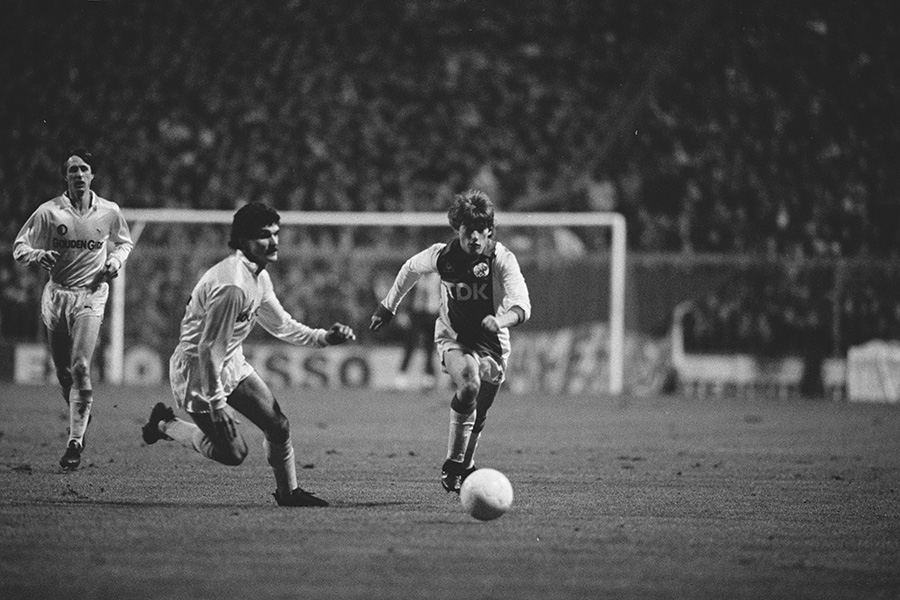
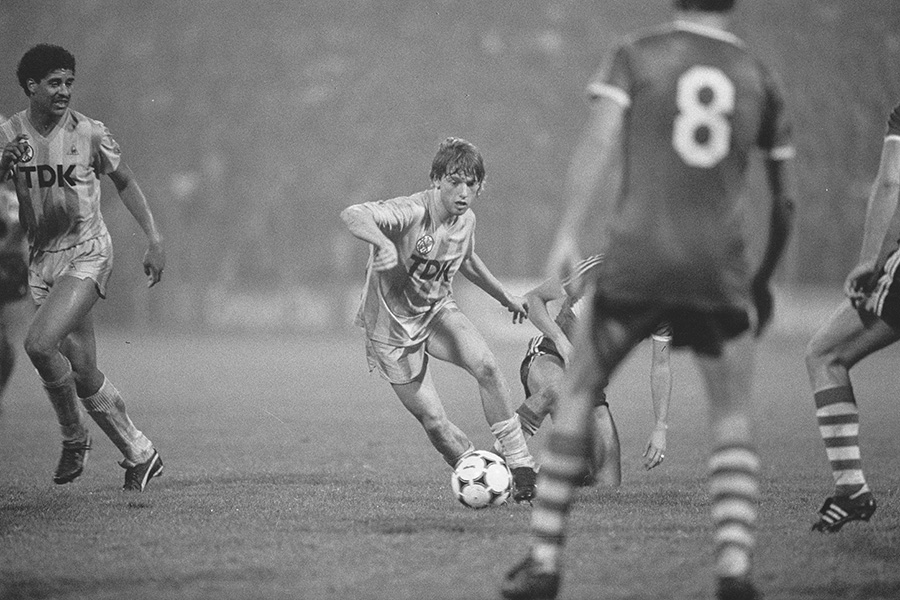
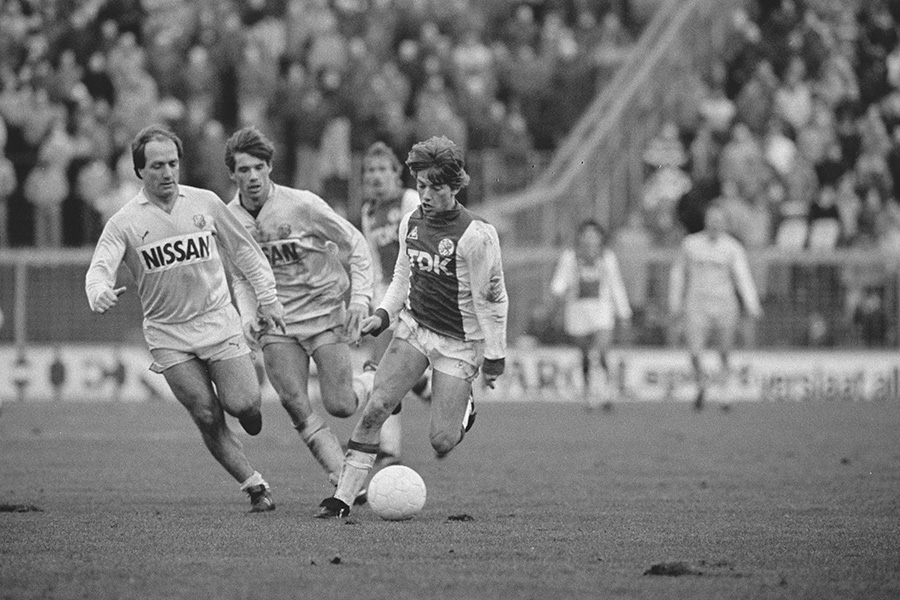
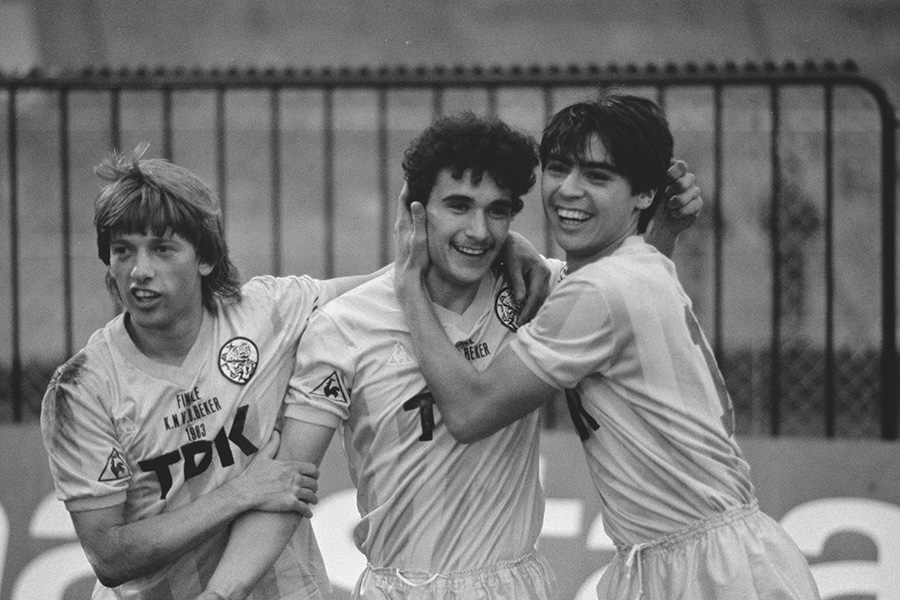
With his quick dribbling, flair, confidence and enormous drive, Olsen quickly made a name for himself among Ajax fans. The Danish dribbling specialist became popular. Why? Olsen, modest as ever, pauses for a moment. "Because I dribbled a lot, wasn't afraid to take players on and worked hard, I think. Even when I didn't have the ball, I always wanted to win it back. I think people appreciated that."
The inconsistent Ajax side in Olsen's first season was strengthened by the arrival of Johan Cruijff. In December 1981, the legendary number fourteen returned to Amsterdam. Olsen still finds it incredible. "At first, everyone was a bit like: 'Is this real? Is he really going to play for us?' I had seen him shine as a young boy in all those big matches, and suddenly he was in my team. When he joined us, he was still fantastic. It was amazing to be on the pitch with him. He was still so good."
Learning from Cruijff
"People might have expected him to be successful again at Ajax, but that's not as easy as it sounds. But he did it brilliantly. I mainly learned by watching Johan. How he made everyone play together and created connections on the pitch. He lifted everyone to a higher level; that was his quality. Doing the right things at the right moment," Olsen continues. Ajax, led by Cruijff and a productive Olsen, became league champions. The Dane scored eleven goals and provided seventeen assists in the league during his first season.
Cruijff and Olsen are forever linked to the world-famous penalty. On December 5, 1982, during a home match against Helmond Sport, the pair passed the ball to each other before scoring. Olsen isn’t entirely sure why he was chosen, but he has an idea. "First of all, because I was left-footed, I think."
The famous penalty and a brilliant solo
"And looking back: I didn't realise it at the time, but after a few years I did. I was left-footed, and if it had gone wrong, it would have been my fault," he laughs. "If you look closely, you can see he makes a few little hops before he gets the ball back from me. I think he was a bit nervous, too. But he knew exactly what he wanted. It once went wrong at Arsenal because a right-footed player was on the left side. Johan had thought that through, I'm sure. We practised it a few times in training in September, and never again after that. I didn't know it was coming in that match until he told me just before the penalty. I thought: let’s go."
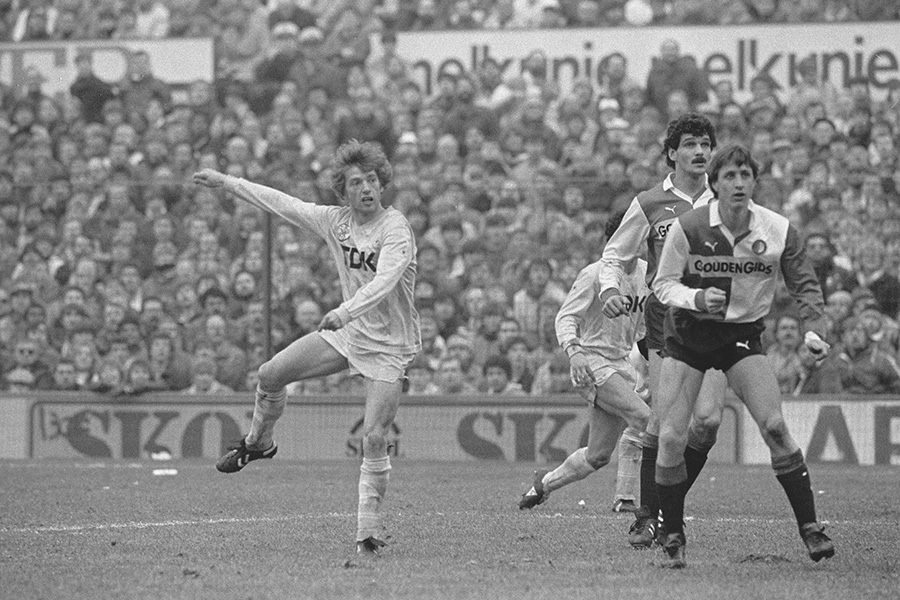
His finest goal is undoubtedly the one away at Feyenoord a month earlier. Olsen dribbled past several defenders and scored, evading heavy challenges from Ben Wijnstekers, who later said: 'I wanted to hit him, but I couldn't.' Olsen laughs. "That's a compliment. Scoring a goal like that away at Feyenoord is important. Sometimes things fall into place, sometimes they don't. In that match, everything clicked, and I don't just mean my goal, but what the whole team did."
After a second consecutive league title, a less successful season followed. Cruijff moved to Feyenoord, and Ajax finished third. The highlight was the 8-2 win over the Rotterdam side, with Cruijff now playing for them. "It felt strange to play against him. But it was a big match, in the Olympic Stadium against Feyenoord. After that 8-2, we thought we were going to challenge for the title again. But no, that didn't happen."
Grateful
That was also Olsen’s final season. After more than a hundred matches, he moved to Manchester United in 1984. "Ajax was fantastic, truly amazing. It was and still is a dream to be part of the club. I enjoyed every minute of my three seasons in an Ajax shirt. It was an honour."
As the conversation ends, he wants to emphasise his love for Ajax once more. "I still hear from the club, through things like this. Ajax is so big and global, but also small, if you understand what I mean. The warm and personal connections are still there, and the feeling for the club remains. Players who have played there will always have a special place in their hearts for Ajax; I do too."